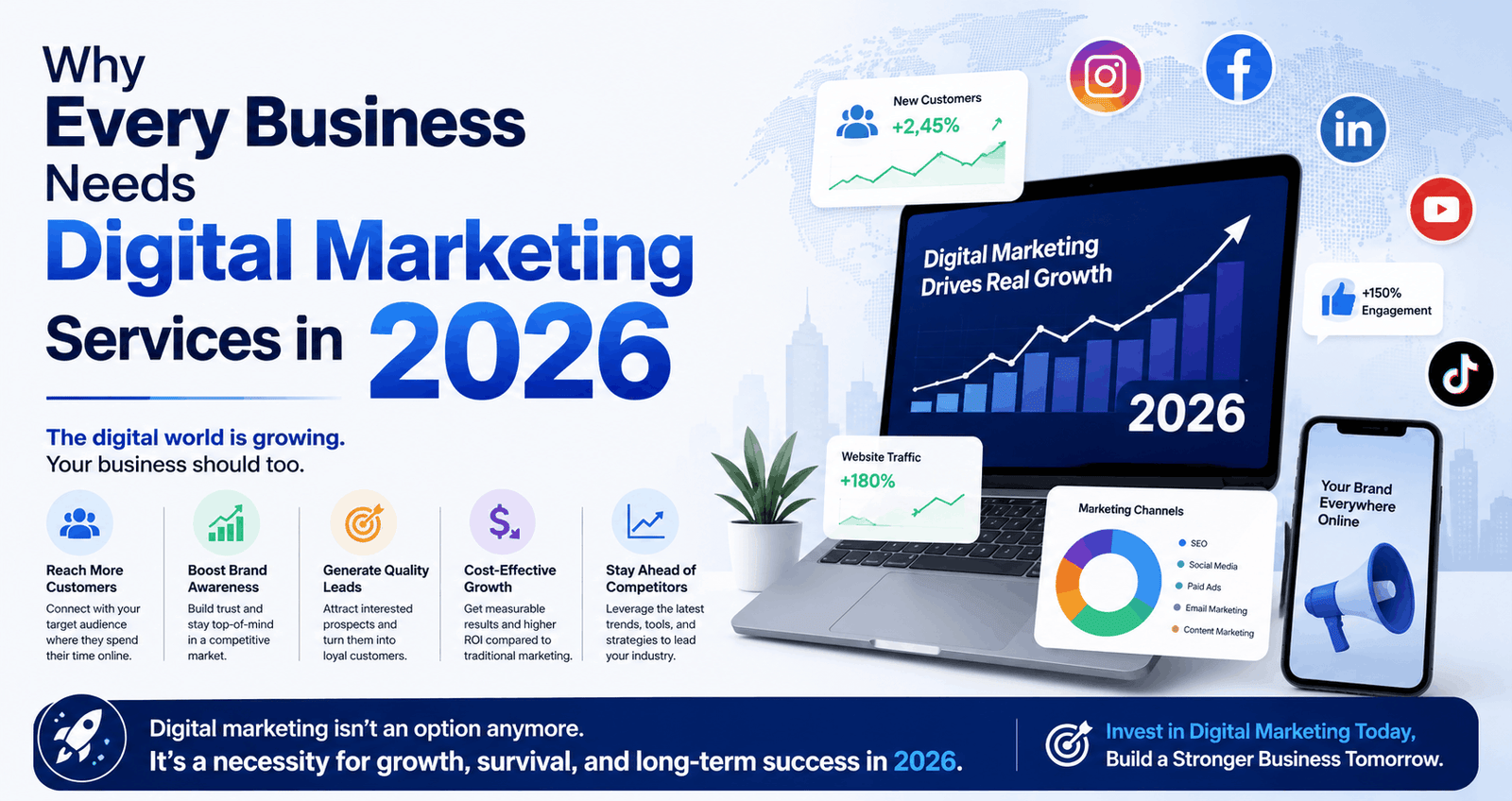
The Way People Find Businesses Has Permanently Changed
A decade ago, a customer with a leaky faucet might flip open a phone book or ask a neighbor for a recommendation. Today, that same customer opens Google, types “plumber near me,” and calls one of the first three results they see. If your business isn’t optimized to appear in that search, you don’t lose the sale – you never even entered the conversation.
This shift applies across nearly every industry: dental practices, HVAC companies, roofers, retailers, law firms, restaurants, and B2B service providers. The common thread is that visibility now happens online first. Digital marketing services exist to make sure your business shows up at that critical moment of intent, not just for big national brands, but for local businesses competing in their own backyard.
Digital Marketing Services Level the Playing Field
One of the most overlooked benefits of digital marketing is that it doesn’t require a massive budget to compete. A well-optimized website, a strong Google Business Profile, and a focused pay-per-click campaign can put a small, local business directly in front of the same customers a much larger competitor is chasing – often at a fraction of the cost of traditional advertising.
Where a billboard or a radio spot reaches everyone, whether they’re interested or not, digital marketing services let you target specific people: those searching for your exact service, in your exact service area, at the exact moment they’re ready to buy. That precision is what makes digital marketing more cost-effective than most traditional advertising, especially for small and mid-sized businesses with limited marketing budgets.
What “Digital Marketing Services” Actually Includes
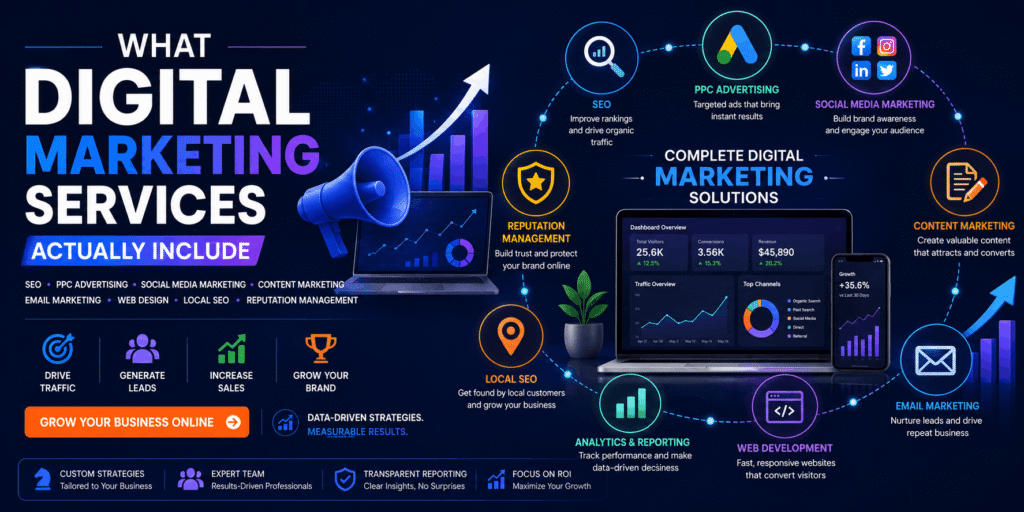
The phrase gets used loosely, so it helps to break down what comprehensive digital marketing services typically cover:
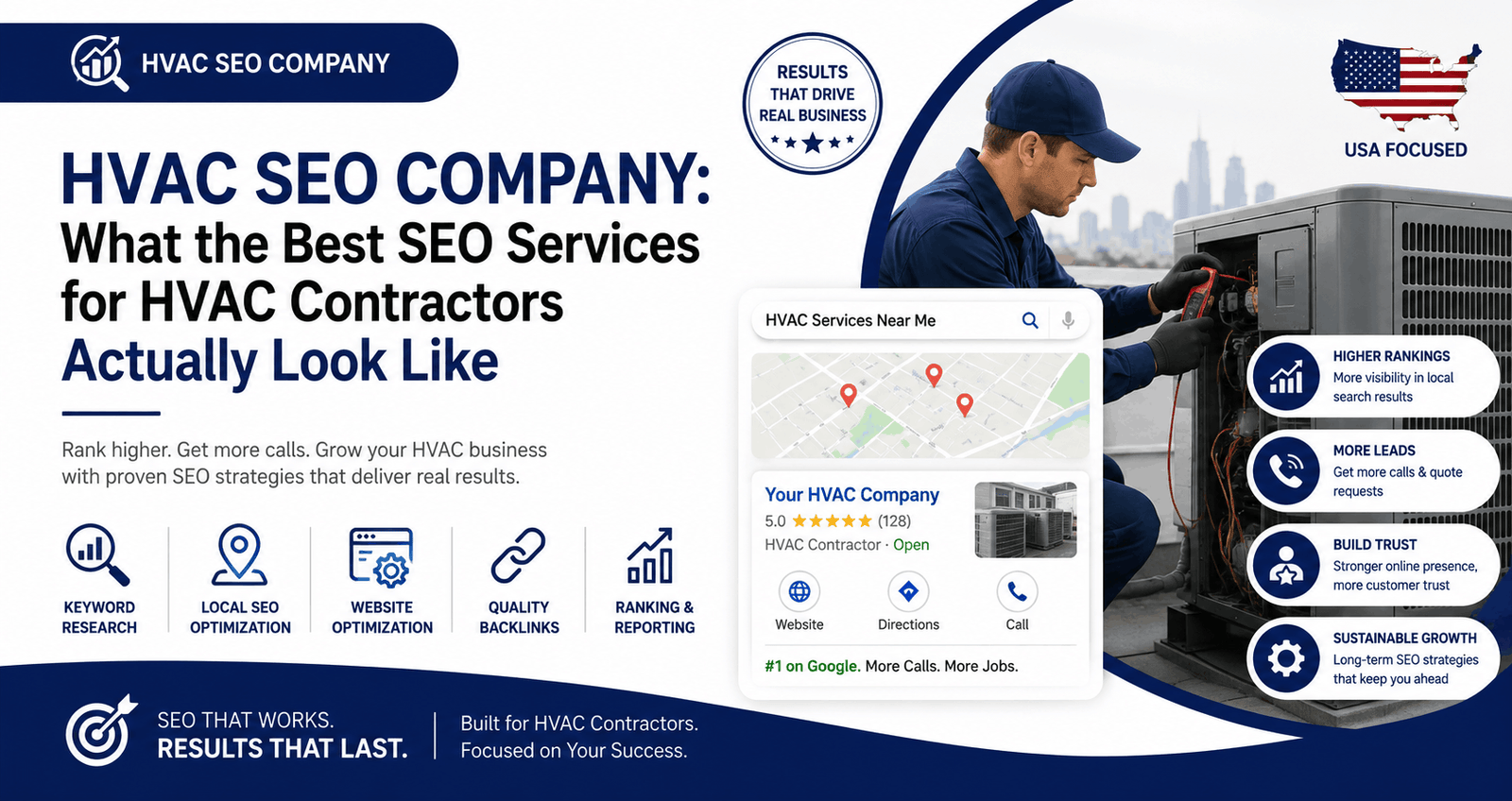
Search Engine Optimization (SEO): SEO is the foundation of long-term visibility. It involves optimizing your website’s structure, content, and technical performance so search engines rank you higher for the terms your customers are actually searching. Unlike paid ads, SEO builds an asset that keeps generating traffic over time rather than disappearing the moment you stop paying for clicks.
Pay-Per-Click Advertising (PPC): PPC campaigns put your business at the top of search results immediately, while your SEO efforts build momentum in the background. A well-managed PPC strategy targets high-intent keywords, tracks return on ad spend, and adjusts in real time based on what’s actually converting.
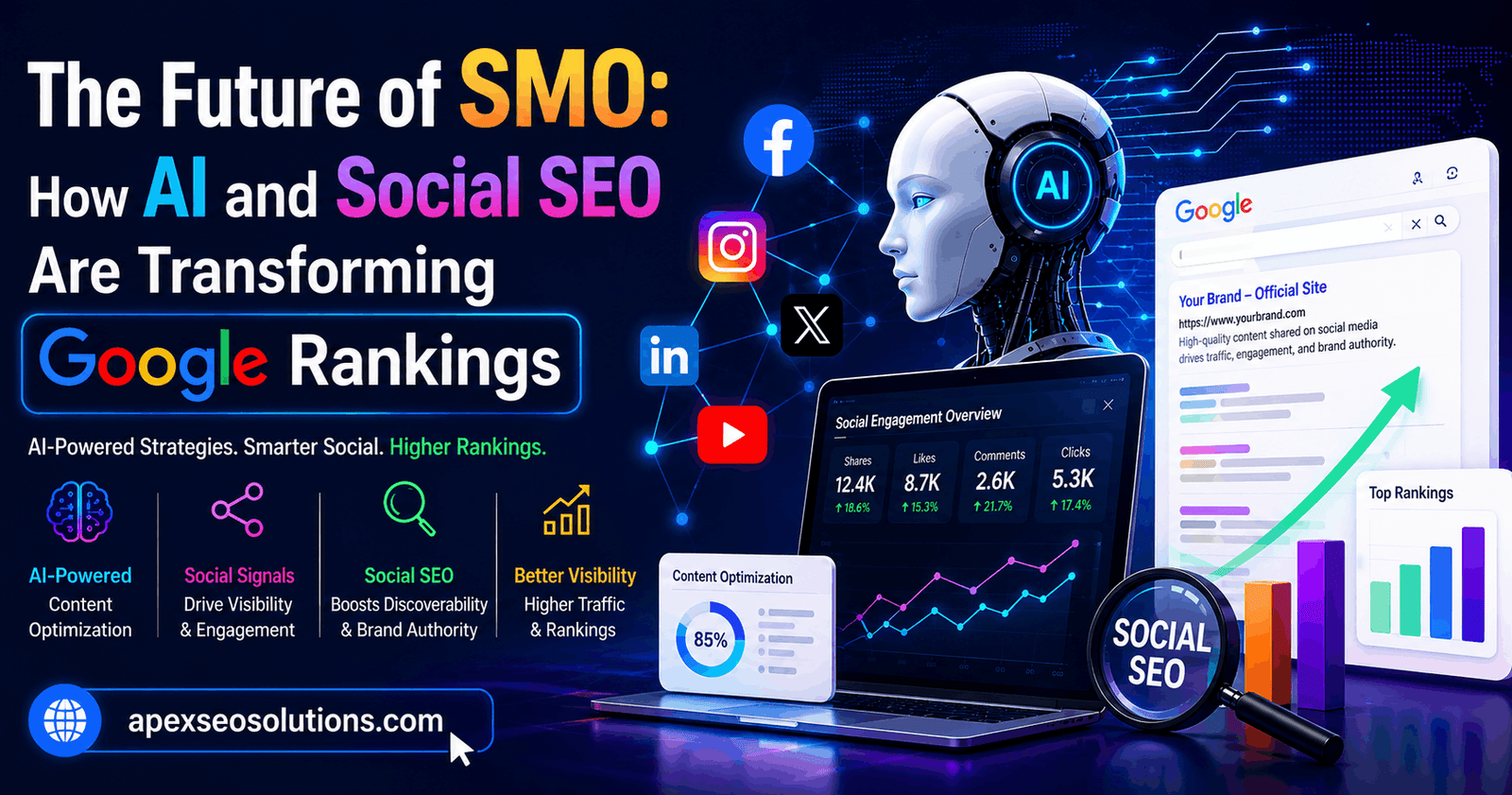
Social Media Management: Social platforms aren’t just for brand awareness anymore – they’re discovery engines, customer service channels, and trust-building tools. Consistent, strategic social media management helps businesses stay relevant in front of an audience that increasingly expects brands to show up where they already spend their time.
Web Design and Development: Your website is often the first real impression a potential customer has of your business. A slow, outdated, or hard-to-navigate site undoes the work of every other marketing channel. Modern digital marketing services include building websites that are fast, mobile-friendly, and designed to convert visitors into leads.
Content Marketing: Blog posts, service pages, guides, and other content do double duty: they help search engines understand what your business does, and they help potential customers understand why they should choose you. Strong content marketing builds authority and answers the questions your customers are already asking.
Together, these services don’t operate in isolation – they reinforce each other. SEO drives organic traffic to a website that content marketing has made informative and PPC has made immediately visible, while social media keeps the relationship going after that first visit.
Why DIY Marketing Usually Falls Short
Many business owners start by handling marketing themselves, and that’s a reasonable instinct – nobody knows the business better than the person running it. But digital marketing has become genuinely technical. Search engine algorithms change constantly, ad platforms get more complex every year, and what worked twelve months ago may actively hurt performance today.
Running a business and running a full digital marketing strategy are both full-time jobs. Trying to do both usually means one of them suffers, and it’s rarely the day-to-day operations that get neglected. This is the core reason businesses turn to digital marketing services: not because they can’t understand marketing, but because they don’t have the bandwidth to execute it consistently and competently while also running everything else.
The Cost of Doing Nothing
It’s tempting to think of digital marketing as optional, something to revisit “when business picks up.” But the businesses that wait are usually the ones losing ground to competitors who didn’t wait. Every day without proper SEO is another day competitors rank above you. Every month without a content strategy is missed opportunities to answer customer questions and build trust. Every outdated website is a steady trickle of visitors who land on the page and immediately leave.
The cost of inaction doesn’t show up as a line item – it shows up as quieter phones, fewer form submissions, and a shrinking share of a market that’s actively moving online. In competitive local industries, that gap compounds. The business that invests in digital marketing services this year isn’t just gaining customers today; it’s building a lead that gets harder for competitors to close.
What 2026 Specifically Changes
A few shifts make this year particularly important for businesses still on the fence:
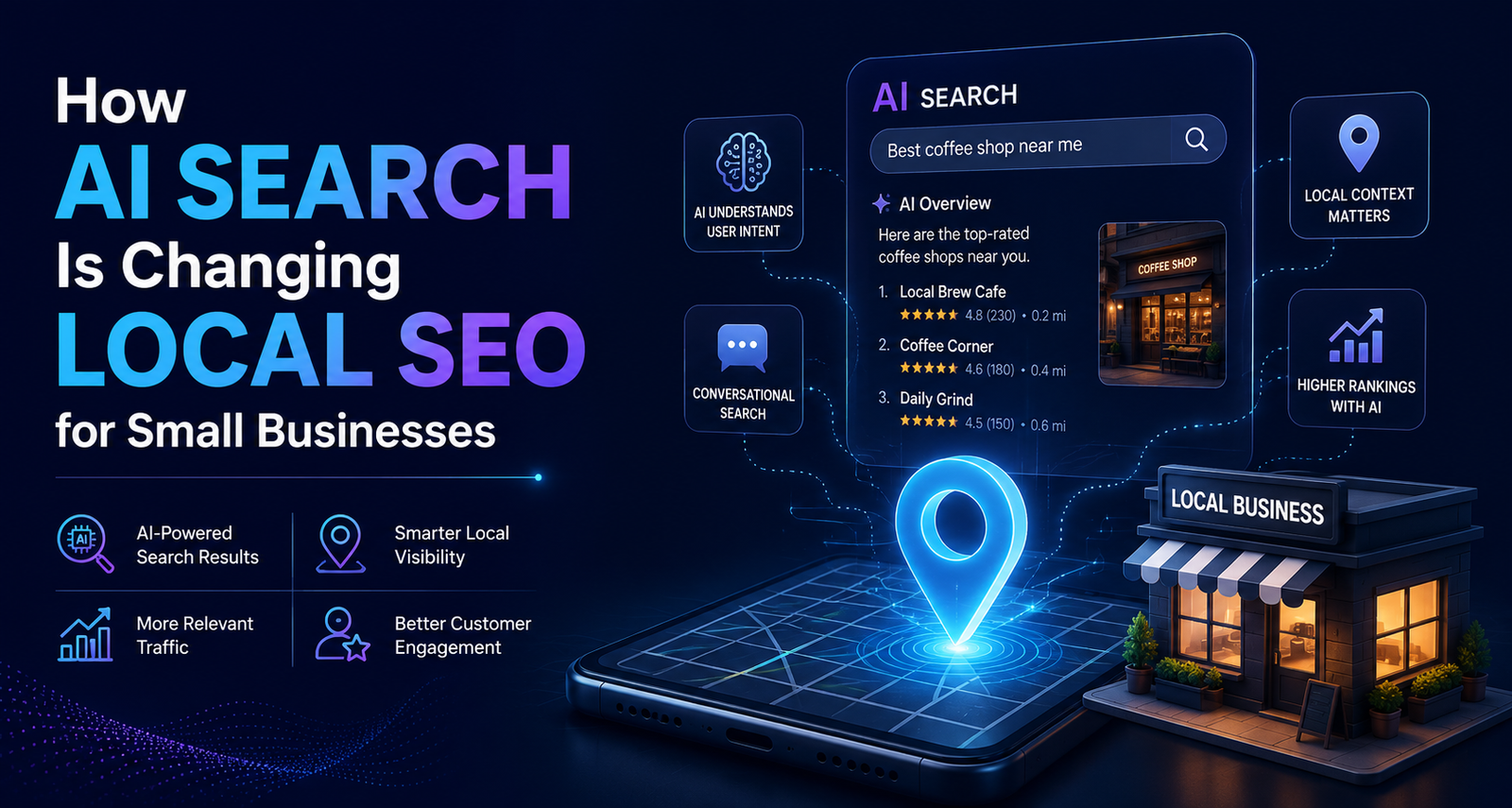
- AI-powered search is changing how results appear. Search engines increasingly surface AI-generated summaries and answers directly in results pages, which means the businesses with clear, well-structured, authoritative content are the ones getting cited and clicked – while thin or outdated content gets skipped entirely.
- Local search competition keeps intensifying. As more local businesses invest in their online presence, the gap between businesses with strong digital marketing and those without grows wider, making it harder to catch up the longer you wait.
- Customer expectations keep rising. People expect fast websites, quick responses on social media, and businesses that show up clearly when they search. Falling short of those expectations pushes customers toward competitors who meet them.
None of this means starting from scratch is too late – it means the businesses that act now have a real opportunity to build an advantage before the gap widens further.
Choosing the Right Digital Marketing Partner
Not all digital marketing services are created equal, and the difference between a strategic partner and a vendor selling generic packages can make or break your results. When evaluating who to work with, look for:
- A clear, customized strategy based on your specific industry and goals, not a one-size-fits-all package
- Transparent reporting that shows real metrics – traffic, rankings, leads, and conversions – not vanity numbers
- Experience in your specific industry, whether that’s home services, healthcare, retail, or another service-based business
- A team that treats SEO, PPC, social, web, and content as connected parts of one strategy rather than separate, disconnected services
The right partner doesn’t just execute tasks; they understand how all these channels work together to move your specific business forward.
The Bottom Line
Digital marketing services aren’t a luxury reserved for large corporations with unlimited budgets. They’re the modern equivalent of being listed in the right place, recommended by the right people, and visible at the right moment – except now that happens through search results, social feeds, and websites instead of phone books and storefront signs.