
You know that the majority of customers who find HVAC, roofing, and plumbing businesses in the United States do so through local searches. People don’t browse the Yellow Pages when their furnace breaks at midnight, or when a pipe bursts early on Sunday morning. Instead, they search “emergency HVAC repairs near me” or “best plumbers in my area” on their phones. You have a chance to shine at the critical moment when someone needs your service, but only if you can be found online. Local SEO is the key to thriving home service companies. The local search landscape is evolving as we move closer to 2026. Artificial intelligence, voice-activated gadgets, and more sophisticated consumer expectations are all contributing. This Local SEO Guide for Home Service will teach you how to dominate the local market, outrank your competitors, and convert searchers into paying clients. What is local SEO for home service businesses? Local SEO is a practice that optimizes your online presence in order to attract customers who are searching for services within a specific geographical area. Local SEO is different from traditional SEO, which targets customers in the immediate service area. This includes neighborhoods, cities, and regions. This means that home service professionals will appear prominently in search results when customers are searching for terms such as: “HVAC repair near me““Emergency Plumber in [city]““Best roofing contractor (zip code)”“Furnace installation” Local SEO is a collection of strategies that are interconnected. Google Business Profile Optimization (formerly Google My Business) ensures that your business appears on the Map Pack, the top three local listings above organic search results. Local citation building ensures that your business is listed consistently on hundreds of directories online, including Yelp, Angi, and industry-specific platforms. Review generation and management can help you build your reputation and have a positive impact on both your search ranking and the decisions of consumers. Localized content on your website incorporates geographical keywords and shows off your knowledge of specific communities. Mobile optimization allows homeowners to easily contact you via their smartphone in an emergency. Local SEO can transform your digital presence into something that is impossible to avoid. It will make your business the first choice for customers who need HVAC, roofing, plumbing or other services. Why HVAC, Plumbing, and Roofing businesses Need Local SEO Home services is fundamentally different from retail and e-commerce. Customers don’t shop globally, they want someone to come to their house within hours and not days. Local SEO is essential because of this hyperlocal nature. Take a look at these statistics: 97% of consumers use Google to find local businesses and 46% of Google searches are local. This percentage increases for emergency services such as HVAC repair and plumbing. If someone’s water heater or air conditioner fails in the middle of a heatwave, or if their air conditioning system breaks down during a summer heatwave, they are searching for reputable contractors immediately. The competitive edge is important. The majority of home service companies still rely on outdated directories or pay-per click advertising. While companies that invest in HVAC local SEO or plumber SEO generate more leads with lower costs. Home services require trust and credibility. Homeowners invite contractors into their homes, and contractors make important financial decisions. Your digital reputation comes from your online presence. This includes your Google Business Profile and customer reviews. Strong local SEO establishes you as a reliable, established provider and not an unknown one. It is impossible to ignore the mobile-first world. Around 60% of local searches are done on mobile devices. This is often the case in urgent situations. Customers will reach out to your competitors if your website is not mobile-friendly. They will also look elsewhere if they can’t find your contact information right away. Local SEO is more sustainable than paid advertising. Local SEO can increase your visibility for HVAC, roofing, plumbing and plumbing services over time. Google Ads requires constant spending. Each positive review and optimized page will strengthen your position. Home Services: Local SEO Services That Are Key Local SEO agencies are specialized in providing services that cater to the needs of businesses offering home service. Understanding these services will help you to evaluate potential partners, and understand what comprehensive optimization entails. Local SEO Services for HVAC HVAC businesses are faced with seasonal fluctuations in demand and fierce local competition. HVAC SEO local services can help HVAC businesses overcome seasonal demand fluctuations and intense competition. Content optimization for seasonal patterns that anticipate search patterns. For example, furnace repair content in the fall and winter months and air conditioning maintenance content before summer peak. You can create landing pages for specific search queries. These can focus on furnace installation, AC repairs, heat pumps, and ductwork. Improve emergency services to make it easier to find “emergency HVAC repair” or “24-hour furnace service.” These searches show strong intent. Review management strategies to encourage customers to share their experience. This is especially important due the high cost of HVAC systems and the homeowner’s anxiety about major system repairs. Check out our comprehensive hvac seo guide for 2026 to boost your website Roofing Local SEO Services Customers who need roofing services rarely but research extensively before making a decision require a different approach. Local SEO for roofing contractors focuses on: Optimized project showcase with before and after galleries, descriptions of completed projects, and testimonials demonstrating quality craftsmanship. Content that is relevant to storm and damage responses, which captures the searches after severe weather events. Differentiation of materials and services through the content on shingle types and metal roofing, repairs for flat roofs, and other special offerings. Elements that build trust, such as information on licensing, insurance, certifications of the manufacturer, and warranty details to alleviate homeowner concerns regarding contractor legitimacy. Local SEO for Plumbers & SEO for Plumbers Plumbing services range from routine maintenance to urgent repairs, and require SEO strategies that capture them both. Searches like “best local plumbing” or “emergency locksmith near me” indicate an immediate need with a high

Local SEO Success with AI: Voice Search & GBP Optimization
The local search landscape has fundamentally changed. Small business owners who once relied on traditional directories and basic website optimization now face a sophisticated digital ecosystem where artificial intelligence determines visibility. Today, optimizing local SEO with AI is not just an advantage – it is essential for survival in an increasingly competitive marketplace. Voice-activated searches like “Where is the best pizza near me?” and “Find a plumber open now” are very popular. More than 58% of people use voice search to find local business information. Google Business Profile has changed from a simple listing into a powerful tool. It can affect whether customers pick your business or a competitor’s. When AI converges with these two powerful forces, small businesses gain unprecedented opportunities to dominate their local markets. This guide looks at how artificial intelligence is changing local SEO for small businesses. It covers voice search optimization, local SEO pricing, and how to choose the right services for your budget. Understanding AI in Local SEO Artificial intelligence has transformed how search engines evaluate and rank local businesses. Google’s RankBrain, BERT, and MUM algorithms use machine learning. They help understand search intent, context, and relevance very well. How Machine Learning Enhances Local Rankings Traditional SEO relied on keyword matching and backlinks. Today’s AI-powered algorithms analyze hundreds of ranking factors simultaneously: Behavioral signals: How users interact with your listing, website, and content Semantic understanding: What searchers actually mean, not just what they type Pattern recognition: Identifying which businesses best satisfy specific local queries Real-time adjustments: Continuously refining results based on user satisfaction AI systems compare your business to competitors. They look at review sentiment, response times, content quality, and user engagement metrics. They also analyze many other data points that would be hard to process by hand. AI-Driven Optimization for Small Businesses The good news is that AI tools level the playing field. Small businesses can now: Automatically optimize content for local search intent Generate schema markup to help search engines understand your offerings Monitor competitor strategies and identify market gaps Predict which keywords and content types will drive conversions Personalize user experiences based on location, device, and search history Machine learning algorithms can look at your Google Business Profile performance. They can find weaknesses and suggest specific improvements. These tasks used to need costly consultants or a lot of trial and error. The Rise of Voice Search for Local Queries Voice search has fundamentally changed how people find local businesses. Instead of typing “dentist 90210,” users ask their smartphones, “What is the best dentist near me that takes my insurance?” The “Near Me” Revolution Searches containing “near me” have increased by over 900% in recent years. These queries signal high intent – users are actively looking for immediate solutions. Voice search amplifies this trend because speaking feels more natural than typing on small screens. Consider these conversational patterns: Where can I get my oil changed today? Is there a hardware store open near me right now? Find pet-friendly restaurants within 10 miles Each query reveals specific intent, timing, and constraints that AI-powered local SEO must address. Why AI Voice Assistants Matter for Local SEO AI voice assistants like Siri, Google Assistant, and Alexa find answers using organized data. They also use business listings and content designed for natural language. When someone asks for recommendations, these assistants typically provide one to three options – not pages of search results. Winning the voice search battle means: Structuring content to answer specific questions Claiming and optimizing your Google Business Profile Ensuring NAP (Name, Address, Phone) consistency across the web Creating FAQ content that matches conversational queries Implementing schema markup that AI can easily parse Voice search represents the ultimate convergence of convenience and intent. Businesses that optimize for these queries capture customers at the exact moment they are ready to act. Why Google Business Profile Is the Center of Local SEO Your Google Business Profile (GBP) functions as your digital storefront, often appearing before your actual website in search results. For local businesses, it is the single most important ranking factor. Essential GBP Elements A fully optimized profile includes: Accurate business information: categories, hours, service areas, and attributes Visual content: high-quality photos and videos that showcase your business Customer reviews: both quantity and quality matter Regular posts: updates, offers, and announcements Q&A section: answered questions that address common concerns Booking features: direct appointment scheduling when applicable Each element signals to AI algorithms your business’s relevance, trustworthiness, and authority. How AI Influences GBP Insights and Ranking Factors Google’s AI continuously analyzes your profile performance: Which photos generate the most engagement How quickly you respond to reviews and messages Whether your business information matches other online sources How users interact with your listing compared to competitors Seasonal patterns in customer interest and behavior This AI demonstrates how visible you are in the Local Pack. The Local Pack is the map that shows top businesses. It can affect whether potential customers pick your business. Profiles that demonstrate consistent engagement, accurate information, and positive customer experiences receive preferential treatment in search results. How AI Improves Local SEO for Small Businesses Artificial intelligence addresses three critical challenges that have historically made local SEO expensive and time-consuming: content creation, reputation management, and competitive evaluating. Automation That Saves Time and Money AI-powered tools can: Generate location-specific content tailored to different service areas Create and optimize meta descriptions to improve click-through rates Analyze review sentiment to identify recurring issues or praise Schedule and create social media posts aligned with local events and trends Monitor citation accuracy across hundreds of directories simultaneously Tasks that used to take 10 to 20 hours a week can now be done much faster. This cuts local SEO costs for small businesses. Understanding Local SEO Services Pricing When evaluating local SEO services pricing, consider what AI-enhanced packages include: Basic packages ($500–$1,000/month): GBP optimization, citation building, monthly reporting Standard packages ($1,000–$2,000/month): Everything in basic, plus content creation, review management, and on-page SEO Advanced packages ($2,000–$5,000/month): Comprehensive services including AI-powered
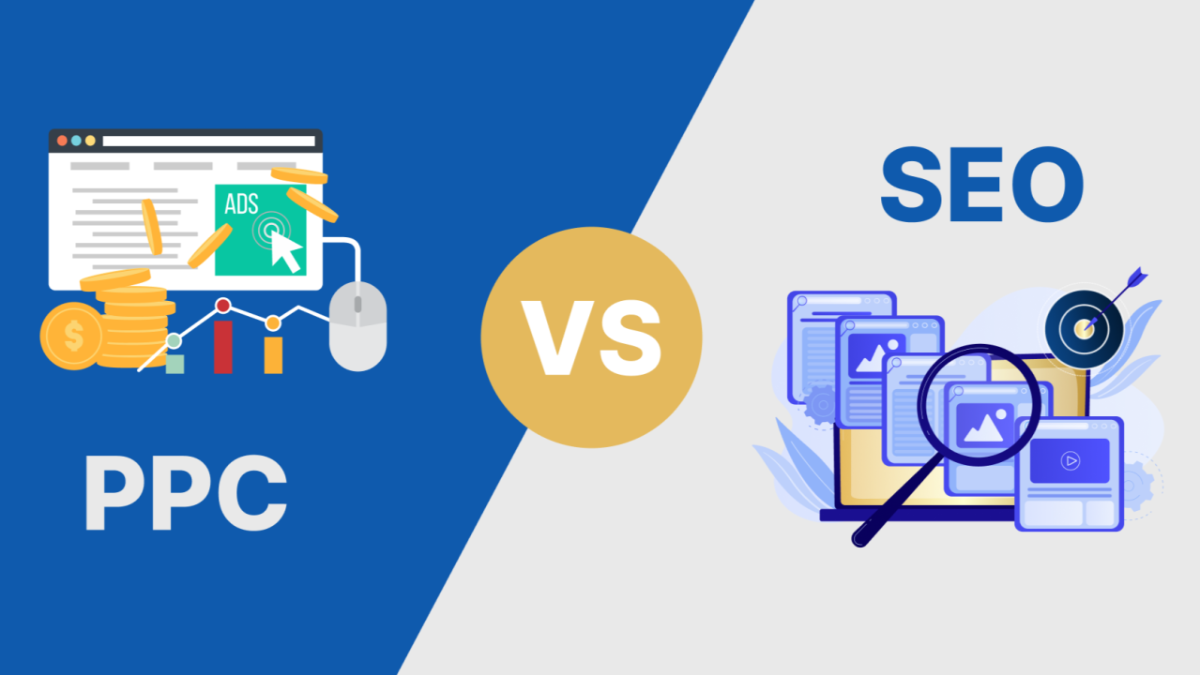
SEO and PPC working together: A step-by-step guide for small businesses
Small businesses tend to view SEO and PPC strategies as rivals. You choose one over the other depending on your budget and timeframe. Successful brands know that combining SEO with PPC will produce better results than either channel alone. By aligning organic search with paid advertising, your business can dominate the search results, collect more valuable data, maximize its marketing budget and accelerate growth. This integrated approach has become essential for small businesses that compete in local markets. This guide will explain how to combine SEO and PPC effectively, what they cost, and why local SEO is the foundation of any strategy. What are SEO and PPC? Clarify what each channel is before we explore integration strategies. Search Engine Optimization is the process that optimizes your website to appear in organic search engine results. SEO makes your website visible in the non-paid results beneath the ads when someone searches for the services you provide. SEO includes on-page optimization as well as technical improvements, creating content, and building links. The results take some time to appear, but they are worth the wait. Pay-Per Click Advertising (PPC), also known as pay-per-click advertising, places your company at the top of all search engine results. However, you have to pay every time someone clicks on your ad. Google Ads is a popular PPC platform used by small businesses. You create ads and bid on keywords to appear above organic search results. PPC offers instant traffic with precise targeting. However, it stops working once you stop paying. SEO vs. PPC is a debate that misses out on the larger picture. Each channel has its own advantages. SEO helps to build long-term authority, credibility and trust. PPC provides immediate visibility and rapid test. SEO generates traffic “free” after initial investment. PPC offers detailed data as well as precise targeting. Smart small businesses don’t choose between the two, but rather use them both strategically. Why SEO and PPC work better together When integrated properly, SEO and PPC can multiply your marketing efficiency. They complement each other. Maximum Search Visibility Your total clicks will increase if you appear in both organic and paid results. According to studies, businesses that rank in both sections receive more traffic overall than the sum of all clicks. You can occupy more real estate on the results page and push your competitors lower. Brand recognition is also increased through constant exposure. Get faster data and insights PPC gives you immediate feedback on which keywords work, which messaging resonates and which landing pages are most effective. You can validate and test strategies with paid campaigns instead of waiting for months to see SEO results. Then, apply these insights to organic optimization. It reduces your SEO investment risk. Keyword Strategy Paid search data shows the true commercial intent of keywords. You’ll discover the terms that drive sales and not just traffic. This intelligence will help you prioritize the creation of SEO content and save time by avoiding optimizing for non-converting keywords. Better Quality Scores at Lower Costs Google will reward you with higher PPC quality scores if your organic rankings are strong. A higher Quality Score means lower click costs and better ad placements. Over time, your SEO investment will directly reduce your advertising costs. Retargeting Opportunities Retargeting is a great way to keep your brand in front of customers. People who have found you organically, but didn’t convert will receive strategically placed ads while they browse other sites. This increases conversion rates significantly. Competitive Dominance You can take advantage of competitors who focus their efforts on a single channel by taking multiple positions in the search results. This is particularly powerful in local markets, where visibility directly correlates to foot traffic and phone calls. How to use SEO and PPC together: A step-by-step guide for small businesses Are you ready to integrate these channels into your business? Follow this practical framework to integrate these channels: Step 1: Align Your Keyword Strategy Begin with comprehensive keyword research to serve both channels. Segment high-intent, relevant keywords for your business. Keywords with high competition and high value: Target PPC right away while building SEO momentum. Keywords with lower competition: Prioritize organic optimization. Brand terms: Keep presence both in paid and organic results. Local keywords: Focus on both with local SEO packages. Create a shared list of keywords in a spreadsheet for both your SEO team and PPC team (or agency). These should be updated regularly, based on the performance data of both channels. Step 2: Test landing pages and messaging using PPC Validate your strategy with paid campaigns before investing months into content creation. Create several landing pages, each with a different value proposition, call to action, and content structure. Measure conversion rates by running PPC traffic on these pages. The winning combinations will become your template to create organic landing pages. The testing phase can cost you a few hundred dollars to several thousand dollars, but it will prevent costly mistakes in your SEO strategies. Step 3: Share data between channels Set up a regular schedule for evaluating performance on both channels. Weekly: Review which PPC keywords drive conversions and adjust bids. Monthly: Analyze PPC data conversions to inform SEO content topics and keywords. Quarterly, review how organic ranking impacts PPC costs and channel performance. Search for keywords that have high conversion rates, but are expensive. These are the best candidates for SEO investments. Track keywords that you rank on page 2 organically. These often benefit from an PPC boost as you improve your organic position. Step 4: Create Retargeting Campaigns Create a pixel tracking system on your site to track visitors coming from paid and organic sources. Create segmented retargeting campaigns for: Visitors who did not convert but came to the site via organic search Blog readers who do not visit service pages Cart abandoners and form starters that did not complete the conversion Retargeting converts three to ten time more than cold traffic. This makes it the most cost effective way to use
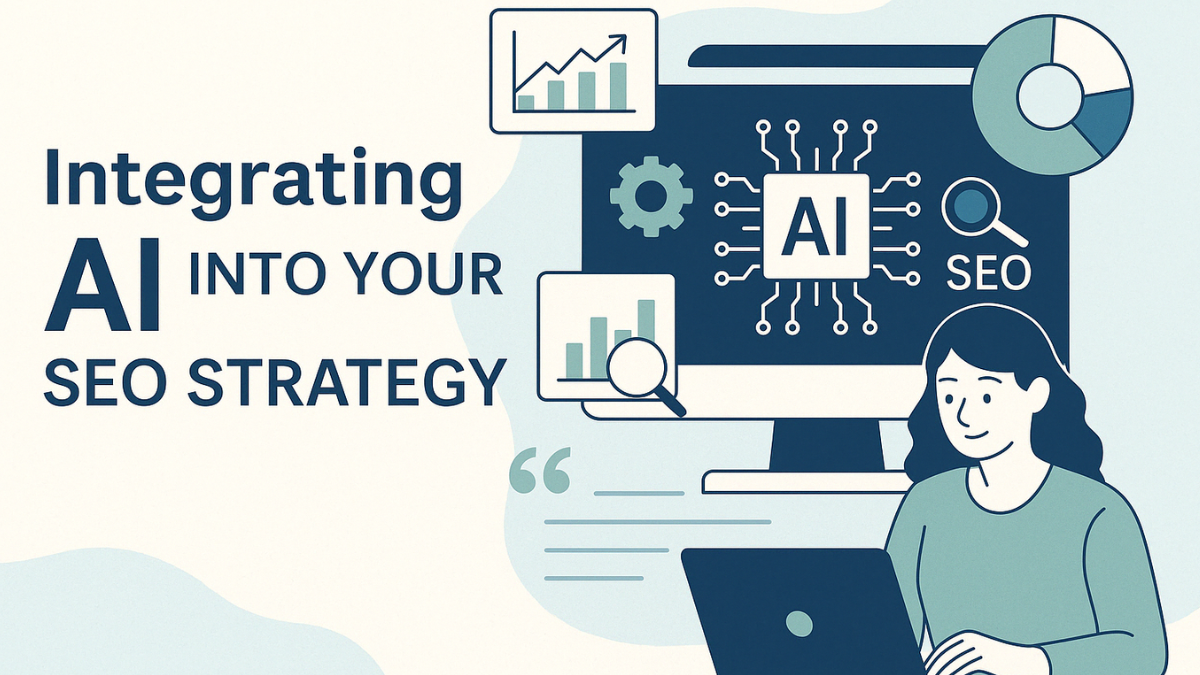
SEO Meets AI: The New Era of Smarter Search Optimization
The digital landscape is undergoing a seismic shift. Experts now improve traditional SEO strategies that used to guarantee first-page rankings. In some cases, artificial intelligence completely reimagines them. AI-driven keyword research and predictive analytics are changing how businesses approach SEO. This mix of SEO and AI offers new chances for companies to lead in search results. You need to know how AI helps with search optimization. This is important whether you want SEO packages for your startup or need a local SEO expert. It is key to surviving in today’s competitive market. What Happens When SEO Meets AI? The Evolution of Search Optimization Search engine optimization has come a long way since its inception in the mid-1990s. Early SEO tactics focused a lot on keyword stuffing, changing meta tags, and using link farms. These strategies would now lead to penalties. As search engines grew, especially with Google’s updates like Panda and Penguin, the focus changed. Now, it is on quality content and real user value. Now, we are entering the third era: AI in SEO. Machine learning algorithms look at billions of data points. They help understand context, feelings, and user behavior in ways humans cannot. Google’s RankBrain, BERT, and the new MUM algorithm show how search engines have changed. They do not just match keywords. They also understand meaning and intent. How AI Reshapes Search Optimization Artificial intelligence fundamentally changes how we approach every aspect of SEO. AI-powered SEO tools use past data, competitor evaluations, and trends to find the best keywords. This helps predict what will connect with your target audience. The result is smarter strategies that adapt in real time to algorithm changes and market dynamics. This change impacts many areas. It affects SEO pricing models, which now include AI analytics. It also changes how local SEO helps small businesses target exceptionally specific community searches. The playing field is leveling, giving smaller brands access to enterprise-level insights that were once prohibitively expensive. How AI Is Transforming Modern SEO Strategies Data-Driven Decision Making at Scale Traditional SEO required manual analysis of spreadsheets, ranking reports, and traffic patterns – a time-consuming process prone to human error. Machine learning in SEO automates this heavy lifting, identifying patterns across millions of search queries to reveal optimization opportunities invisible to manual analysis. AI tools can now: Analyze thousands of competitor pages simultaneously to identify content gaps. Track ranking fluctuations and correlate them with specific algorithm updates. Predict seasonal traffic patterns with remarkable accuracy. Segment audiences based on behavior and customize content accordingly. Predictive Analytics and Search Intent. Understanding what users genuinely want when they type a query has always been SEO’s holy grail. AI excels at decoding search intent by analyzing query context, user location, device type, and historical behavior. This means your content can now align perfectly with whether someone is researching, comparing options, or ready to purchase. For businesses investing in SEO packages, this predictive capability translates to higher conversion rates. Instead of broad content strategies, you are delivering precisely what users need at each stage of their journey. Personalized User Experiences Google’s AI algorithms increasingly prioritize personalization. Two people searching the same keyword might see different results based on their browsing history, location, and preferences. This shift means SEO strategies must account for multiple user scenarios rather than a single “perfect” ranking formula. Key Applications of AI in SEO AI-Driven Keyword Research Gone are the days of manually brainstorming keyword variations. AI-driven keyword research tools, such as Semrush’s Keyword Magic Tool and Ahrefs’ Keywords Explorer, use AI to help users. Newer platforms like MarketMuse also analyze semantic relationships, question-based queries, and long-tail opportunities accurately. These tools do not just suggest keywords – they reveal the complete topical universe around your subject, including: Related concepts your competitors are targeting Question-based queries for FAQ sections. Long-tail variations with lower competition but high intent. Trending topics before they become mainstream. For businesses evaluating SEO costs, this efficiency translates into significant savings. Tasks that once required hours of manual research now take minutes and deliver greater accuracy. AI Content Optimization and Automation AI-driven content creation is one of the most controversial yet transformative applications. Tools like ChatGPT, Jasper, and Claude assist writers by generating outlines, suggesting improvements, and even drafting initial content. However, the most effective approach combines AI efficiency with human creativity and expertise. AI content optimization tools analyze top-ranking pages to recommend: Optimal content length for specific queries. Semantic keywords to include naturally. Content structure and heading hierarchy. Readability improvements for target audiences. This is especially valuable for local SEO specialists managing multiple client campaigns who need to scale quality content production without sacrificing personalization. Voice Search and Natural Language Processing With the proliferation of smart speakers and voice assistants, optimizing for conversational queries has become critical. AI-powered natural language processing (NLP) helps search engines understand spoken queries, which often differ significantly from typed searches. Local SEO for small businesses particularly benefits from this trend. Voice searches like “best pizza place near me” or “affordable plumber in downtown” rely on AI to deliver hyper-relevant local results instantly. Predictive Ranking Models The future of SEO with AI features predictive models that forecast ranking potential before content creators publish it. These algorithms look at domain authority, content quality, backlink profiles, and user engagement. They estimate how well a page will perform. This predictive capability allows SEO professionals to: Prioritize content with the highest ROI potential. Identify optimization opportunities in existing content. Allocate resources more effectively across campaigns. Adjust strategies proactively rather than reactively. Benefits of Using AI-Powered SEO Tools. Faster Insights and Automation. AI-powered SEO tools compress weeks of analysis into hours or even minutes. Automated site audits identify technical issues, broken links, and optimization opportunities across thousands of pages simultaneously. Rank tracking occurs in real time, with alerts for significant changes. For agencies offering SEO packages, this automation enables better client service at scale. Instead of manual reporting, AI generates comprehensive dashboards that show exactly where efforts are yielding results.
Boost Your Growth in 2026 with Local SEO Services for Small Businesses
The digital environment for small businesses is more competitive and full of opportunities than it has ever been in 2026. Over 97% of customers search online for nearby companies. This implies that your profits are impacted by how visible you are in search results. For any business, local SEO services are essential. This covers plumbing services, electrical firms, HVAC companies, and roofing companies. They put small businesses in touch with clients who are currently in need of your services. The game has evolved. Traditional marketing is no longer sufficient, as evidenced by Google’s algorithm changes, AI search results, and shifting consumer behaviour. Small businesses that focus on local SEO do more than survive—they thrive. They lead in their neighborhoods while their competitors have a hard time being found. This guide explains why local SEO services are very important in 2026. It also shows how your business can use these strategies for lasting growth. What Are Local SEO Services? Specialised digital marketing techniques called local SEO services are intended to help companies rank highly in location-based search results. Local SEO is crucial when someone searches for “plumber near me,” “HVAC repair in [city],” or “emergency electrician.” It facilitates the visibility of your company in search results, Google Maps, and the Google local pack. Local SEO targets clients in your immediate service area, as opposed to traditional SEO, which concentrates on national or international rankings. A local SEO specialist employs techniques to demonstrate to search engines the relevance and reliability of your company. This makes it easier for local searchers to locate you. Core elements include: Adding correct information, images, and frequent updates to your Google Business ProfileCreating local citations on industry-specific platforms and directories such as Yelp and the Yellow Pages. Developing content that is location-specific and uses geo-targeted keywords.Taking care of reputation and online reviews on several platforms. Implementing structured data markup to help search engines understand your local presenceCreating community-based, locally relevant backlink strategies. Local SEO is especially important for home service companies like plumbers, electricians, and roofers. Quick conversions are frequently the result of high-intent searches. A homeowner needs assistance immediately, not next week, if their AC unit breaks or a pipe leaks. At the ideal time, local SEO exposes your company to these consumers who are prepared to make a purchase. Why Local SEO Is Crucial for Small Businesses in 2026 Due to a number of overlapping trends, the significance of local SEO services has significantly increased in 2026. Prominence, relevance, and proximity are now given more weight than ever in Google’s algorithm changes. To determine which local businesses should be at the top, the search giant’s AI systems analyse a variety of signals. Companies that disregard local optimisation lose nearly all visibility to prospective clients. This trend is supported by consumer behaviour. 76% of people who search for something nearby visit a business within 24 hours, according to studies. Additionally, 28% of those searches result in a purchase. This indicates that local search directly increases foot traffic, phone calls, and revenue in addition to brand awareness. Here’s why 2026 demands local SEO investment: AI tools, like Google’s Search Generative Experience (SGE), provide direct answers. Direct answers are offered by AI tools such as Google’s Search Generative Experience (SGE). Local questions are the focus of these tools. AI-generated recommendations won’t include your company if you don’t have a strong local SEO strategy. Traditional search results are increasingly being replaced by these suggestions. Mobile devices now account for over 60% of all searches. These users typically seek immediate, local solutions. Compared to desktop users, mobile searchers are more intent and convert more quickly Companies with a high local search ranking are seen as more reputable and well-established. Customers will trust you if Google does, as your ranking in search results is social proof. Competitive advantage Local SEO is still largely ignored by small businesses, which presents enormous opportunities for those who make the investment. To rank higher than rivals, you must capture local SEO strategy. Key Components of a Successful Local SEO Plan A thorough local SEO strategy takes into account several ranking factors at once. Instead of using discrete strategies, a coordinated approach is necessary for success. Effective local SEO packages ought to contain the following: Finding and optimising for “near me” searches, city-specific terms, and neighbourhood names is known as keyword targeting for local intent. For instance, local SEO services for electricians would focus on “emergency electrician in [neighbourhood]” or “24-hour electrical repair.” Optimisation of Google Business Profiles: Your digital shopfront is your GBP. This entails thorough information, consistent postings, excellent images, precise business hours, service area descriptions, and thoughtful category selection. Visibility can rise by at least 50% with an optimised profile. Including location signals in header tags, meta descriptions, title tags, and content is known as on-page local optimisation. Each page should make it obvious where you work and what you have to offer. Review Generation and Management: proactively gathering client testimonials and expertly handling any comments. 86% of customers read reviews before visiting local businesses, demonstrating the power of reviews to affect rankings and consumer choices. Implementation of Schema Markup: Including structured data will aid search engines in comprehending your company’s location, services, reviews, and type of business. This enhances AI search visibility and makes rich results possible. Creating blog entries, service pages, and other materials that speak to regional issues and use community keywords is known as “localised content creation.” Local relevance is indicated by content such as “Preparing Your HVAC System for [City] Winters.” Getting backlinks from regional blogs, chambers of commerce, community organisations, and local news websites is known as “local link building.” Compared to generic national links, local links are given more weight in local rankings. A quality local SEO specialist will customize these components based on your specific industry, competition, and market dynamics. Investing in Your Growth: Budgeting for Local SEO in 2026 When planning your growth strategy for 2026, viewing Local SEO as an investment rather
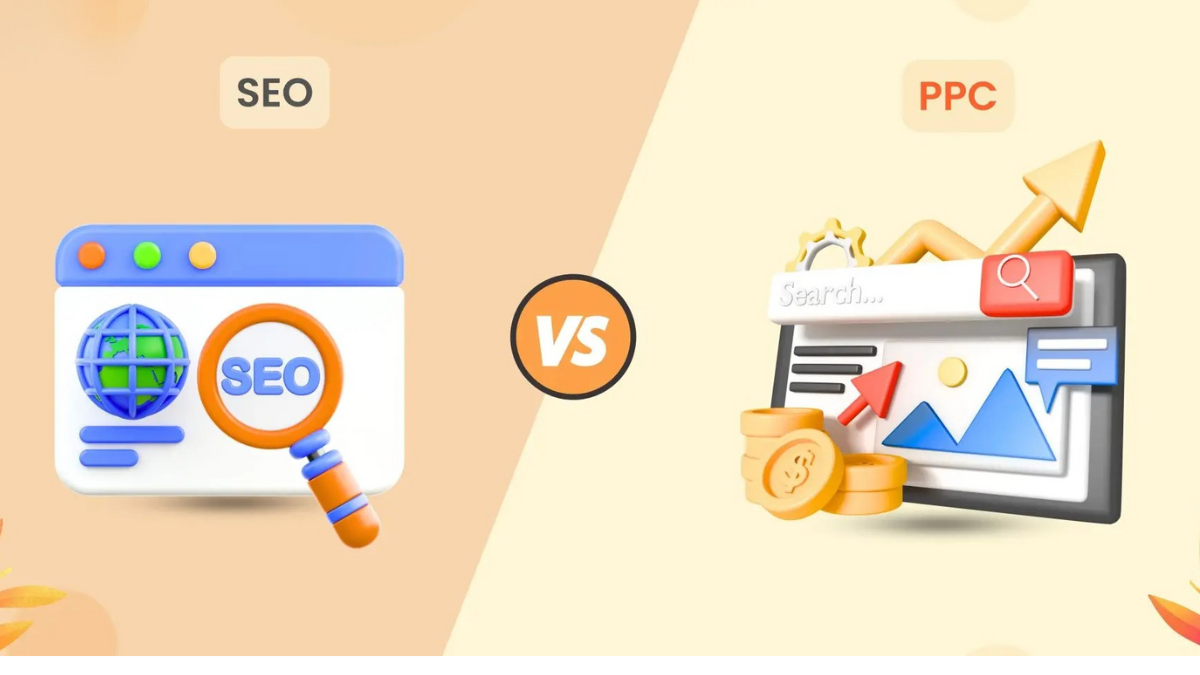
SEO or PPC: The Smarter ROI Choice Explained for Businesses
In today’s digital world, businesses in the United States have a key decision to make. They can choose to invest in SEO or PPC advertising. With small marketing budgets and high expectations for results, making the right choice is crucial. It can mean the difference between great growth and wasted resources. The reality is that SEO and PPC have completely changed how businesses gain online customers. Organic search marketing will create lasting visibility over time. In contrast, paid search campaigns can quickly bring traffic and conversions. Understanding the difference between SEO and PPC is important for any business. Knowing when to use each method can help a business succeed in its market in 2025 and beyond. This guide will explain what you need to know about SEO and PPC. It will cover their unique benefits and main differences. You will also learn how using both methods together can create a strong digital marketing strategy. This strategy will help you improve your online presence and return on investment (ROI). What does SEO stand for? Search Engine Optimization, or SEO, is the process of improving your website and content. This helps your site rank higher in unpaid search engine results. Therefore, when someone conducts a Google, Bing, or other search platform query for products, services, or information about anything related to your business, SEO helps your website rank high in those search results without paying per click for them. SEO includes several related disciplines: On-page SEO is a great way to improve individual web pages. It involves using keywords wisely, writing strong meta descriptions, and using header tags. Internal linking and high-quality content that meets user needs are also important. Every part of your page, like title tags and image alt text, helps search engines understand and rank your content. Technical SEO addresses the backend elements that impact the ways in which search engines crawl and index your site. This includes improving site speed, making it mobile-friendly, using secure HTTPS, and creating XML sitemaps. It also involves adding structured data and fixing crawl errors. These steps help search engines access your pages better. Off-page SEO builds the authority and credibility of a website through external signals, mainly backlinks from authoritative websites. When authoritative sites link to your content, search engines interpret this as a vote of confidence, improving your rankings. Off-page SEO includes brand mentions, social signals, and online reputation management. The beauty of organic versus paid search marketing through SEO is its compounding returns. Unlike paid advertising, where your visibility stops when you stop paying, SEO investments build equity over time. A well-optimized page can bring in traffic and leads for months or even years. This makes SEO a very cost-effective digital marketing strategy for long-term growth. But with SEO, success is not instantaneous. Results usually take three to six months to show up. However, it can take 12 to 18 months for full maturity. This depends on the competition and how well the plan is put into action. What is PPC (Pay-Per-Click Advertising)? In the pay-per-click or PPC digital marketing model, businesses pay a fee each time someone clicks one of their ads. Essentially, you are buying visits to your site instead of attempting to earn those visits organically. The most popular PPC platform is Google Ads. However, businesses also use Bing Ads. They advertise on social media like Facebook, Instagram, and LinkedIn. Display networks are also used for advertising. Knowing how campaigns around PPC work will help in evaluating SEO vs. Google Ads. Advertisers bid on particular keywords relevant to their business. When users search for those keywords, an auction decides where ads will appear. Ads can show in sponsored results above or below organic listings. The placement of your ad would depend on your bid amount, ad quality score, and the relevance of your ad to the search query. PPC campaigns offer numerous advertising formats: Search Ads show at the top and bottom of a search engine results page when users search for your targeted keywords. These text ads have a headline, description, and URL. They aim to attract searchers who are looking for solutions. Display Ads are banner ads shown on millions of websites in Google’s Display Network. These build brand awareness and you can use them to retarget visitors who have visited your site. Shopping Ads let you display your products with images, prices, and business names in search results. This is perfect for eCommerce businesses that want to boost product sales. Remarketing Ads target users who previously visited your website but didn’t convert, keeping your brand top-of-mind and encouraging them to return and complete their purchase or inquiry. The defining characteristic of PPC is immediacy. You can launch a campaign today and drive qualified traffic to your website in a matter of hours. PPC is very helpful for promotions and product launches. It is also great for businesses that need fast results. This is especially true while they develop their SEO strategy. SEO vs PPC: What’s the Difference? Understanding the main differences between these methods will help you make smart choices about your marketing budget. Cost Structure SEO involves content development, technical optimization, link building, and continuous improvement. You might not be paying per click, but you’re nonetheless investing in expertise, tooling, and time. The advantage? Once you get good rankings, organic traffic is free for each visitor. This greatly lowers the long-term cost of acquiring customers. PPC is a pay-to-play platform. Every click costs money, and that money varies wildly depending on the competition within the industry. attorney services might pay $50+ to find competitive keywords, whereas a niche B2B service might be happy to pay $5-15. The second you stop funding campaigns, your visibility disappears in an instant. Timing and Results This perhaps is the sharpest contrast between SEO and PPC. PPC gives immediate results; traffic can start flowing within hours of launching the campaign. That makes it perfect for seasonal promotions, event marketing, or businesses needing quick lead generation. SEO builds
White Label SEO Services that drive proven digital results
The world of digital marketing has changed a lot in the last ten years. Agencies now face more pressure to offer complete SEO solutions. They need to do this without the cost of hiring large teams in-house. This challenge has led to the quick growth of white label SEO services. This model allows marketing agencies to provide search optimization under their own brand. They can do this while using the expert knowledge and resources of other providers. For agencies aiming to expand their services and boost revenue, white label SEO offers a powerful opportunity. More than just outsourcing, this is a scalable business model designed for growth. This approach helps agencies maintain strong client relationships while delivering high-quality SEO results. If you run a small agency or a large company, adding SEO services can help you grow. Understanding private label SEO solutions is important. It can help your agency earn more money. What Are White Label SEO Services? White label SEO services are SEO services provided by special agencies. These agencies work with marketing firms, web designers, and consultants. They resell and brand these services as their own. White label providing unbranded work. The agency that buys the service can add their own logo, report templates, and client documents. How Does White Label SEO Work? This model is based on a simple idea. A white label SEO agency handles all the technical work. This includes keyword research, content optimization, link building, and performance measurement. Meanwhile, the reselling agency stays in touch with the client and manages the relationship. The third-party provider delivers quality SEO services to the end client without the client knowing about their involvement. Benefits of White Label SEO for Marketing Agencies This open integration lets marketing agencies sell complete SEO packages. They can do this without: hiring technical staff buying costly software years of technical skills Common Services Offered in White Label SEO Common white label SEO services include: site audits on-page optimization content strategy and creation local SEO setup link building detailed analytics reporting The scope can include niche services like white label link building. It can also offer full SEO packages that handle all parts of a client’s search presence. Why Agencies Prefer White Label Partnerships Partnering with an outsourced SEO provider is a smart choice for marketing agencies today. There are several important reasons for this decision. Understanding the motivations explains why the model has become so popular across the industry. Resource Constraints and Expertise Gaps Creating an in-house SEO team is a big investment. Companies need to hire experts in technical SEO, content strategy, link building, and analytics. These specialists often require high salaries. For smaller agencies or those new to SEO, this is a big expense. It is not guaranteed to pay off. White labeling solves this problem by giving you quick access to skilled professionals. You don’t need to hire full-time employees. Scalability Without Growing Pains Growth for an agency arrives in unpredictable waves. Taking on a number of new clients all at once can overwhelm existing staff, while slack periods underutilize employees. An SEO reseller partnership provides flexible capacity. Agencies can increase or decrease service delivery based on demand. They can do this without hiring, training, or laying off staff. Such flexibility retains profit margins while ensuring stable service levels regardless of workload fluctuations. Competitive Positioning Clients today are expecting their marketing partners to be full-service shops. Agencies that cannot offer SEO risk losing clients to other agencies offering integrated campaigns. White label services let expert companies, such as web designers and social media agencies, offer complete marketing services. They can manage all parts of a business’s online presence. Core Competencies Most agencies have built their reputation on certain strengths. These can include brand strategy, creative services, or paid advertising. Trying to become SEO experts can be a distraction and a strain on resources. By using white label providers, agencies keep their main strengths. They also gain SEO revenue and provide clients with a full solution. Faster Time to Market In-house SEO expertise is years in the making. There is a requirement for staff members, build processes and learn tools. A white label partnership provides you with a reliable method. It offers a clear workflow and access to skilled experts. These experts can begin working immediately. Core Components of White Label SEO Understanding what comprehensive private label SEO services entail can help agencies choose the right providers and set realistic expectations for their clients. Quality white label partners offer integrated services across various optimization disciplines. Strategic Keyword Research Effective SEO begins with identifying the specific search phrases that drive qualified traffic. White label partners conduct thorough keyword research, taking into account factors such as search volume, competitiveness, user intent, and potential for conversion. This research informs the content strategy, on-page optimization efforts, and link-building campaigns, ensuring that all activities are focused on the phrases that lead to tangible business outcomes. Technical SEO Foundation Before rankings can improve, search engines need to properly crawl, understand, and index websites. Technical audits identify issues like: Slow page speed Problems with mobile responsiveness Broken links Duplicated content Incorrect schema markup Indexing barriers White label teams develop solutions that help websites meet search engine requirements while also providing optimal user experiences across all devices. On-Page Optimization On-page optimization involves enhancing individual pages to achieve better rankings. This includes optimizing title tags, writing compelling meta descriptions, improving header structure, and implementing a strong internal linking strategy. Additionally, it is important to optimize images with appropriate alt text and refine content to align with user search intent. Reputable providers ensure that these changes adhere to current algorithm priorities while maintaining natural readability. Content Strategy and Creation Search engines are increasingly prioritizing valuable and authoritative content that meets user needs. White label partners create content calendars and produce optimized blog posts and service pages that showcase expertise, experience, authoritativeness, and trustworthiness. While strategic keywords should be incorporated into the content, it is crucial to provide genuine value
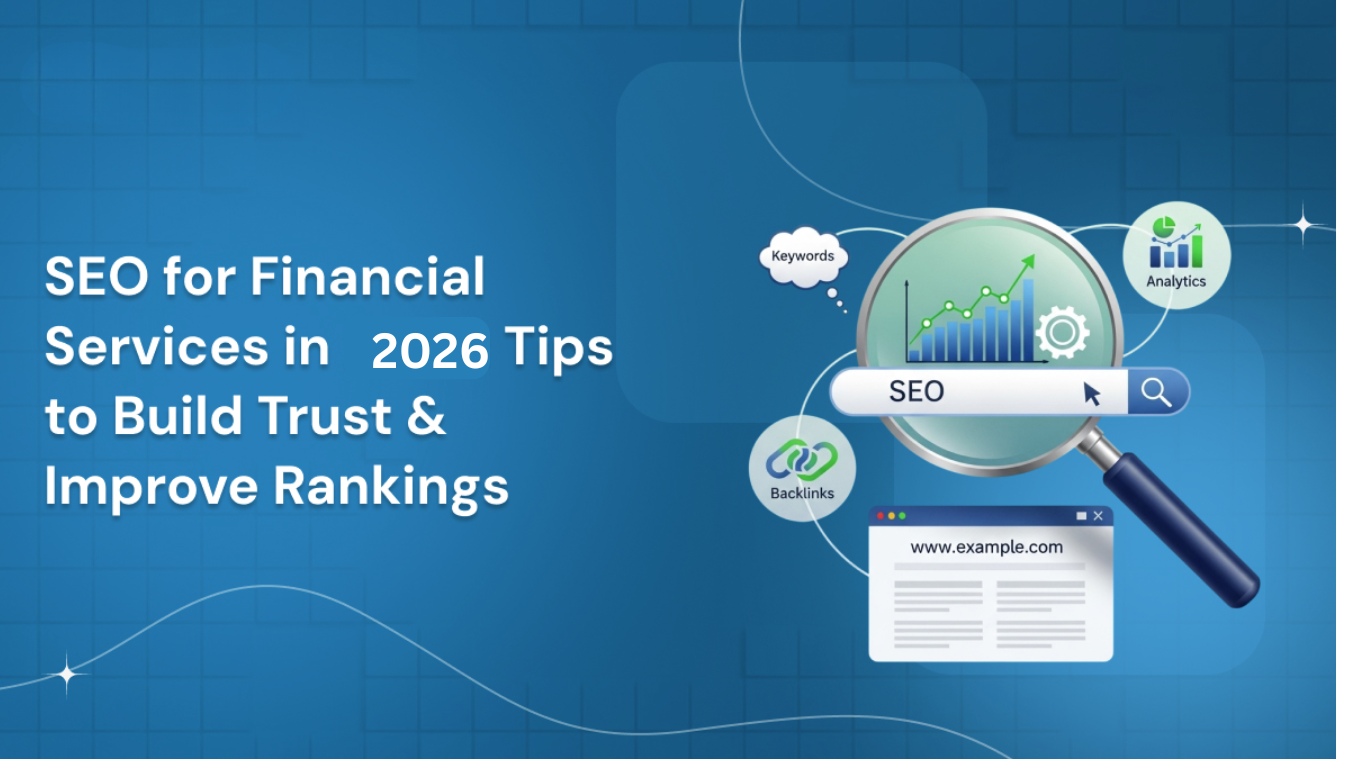
SEO Agency for Financial Services: Scale Trust, Traffic & Leads
In today’s digital economy, the financial services industry faces a strange problem. Consumers are searching for banks, credit unions, wealth managers, and financial advisors online more than ever. Yet, this industry remains one of the hardest to rank in search engines. Whether you’re a regional bank, fintech startup, or independent financial advisor, the competition for visibility is fierce and the regulatory landscape unforgiving. This is where partnering with a specialized SEO agency for financial services becomes not just beneficial, but essential. Unlike generic digital marketing firms, financial-focused SEO agencies understand the intricate balance between aggressive growth strategies and compliance-safe execution. They know how to follow Google’s strict YMYL standards. They create trusted content that meets E-E-A-T criteria. They also turn serious searchers into qualified leads. This helps your institution stay compliant with financial rules. In this guide, we will look at what makes financial services SEO unique. We will discuss why your institution should not ignore organic search. We will also cover how to choose an agency partner that provides clear results while protecting your reputation. What is SEO for Financial Services? SEO for financial services means improving your organization’s online presence. This helps it rank higher in search engine results. It focuses on topics like banking, investing, lending, insurance, and financial planning. Of course, it goes far beyond simply stuffing web pages with keywords. Financial services SEO encompasses: Strategic keyword research focuses on important searches. Examples include “best mortgage rates near me,” “retirement planning advisor,” and “small business loans.” These queries show that users are ready to engage or convert. Technical SEO optimization that ensures your website loads fast, works securely with HTTPS encryption, and provides seamless mobile experiences. Financial consumers expect bank-level security, and Google rewards sites that deliver it. Create content that teaches, informs, and builds trust. Make sure it meets the rules from groups like FINRA, SEC, or the Consumer Financial Protection Bureau. Local SEO strategies help community banks, credit unions, and independent advisors rank high in “near me” searches. These strategies also improve their Google Business Profile rankings in their service areas. Create links and build authority with partners at respected financial publications, industry groups, and schools. This shows Google that your site should rank for important financial searches. Conversion rate optimization that turns website visitors into consultation requests, loan applications, or new account openings. The goal is not just to get traffic. It is to attract the right kind of traffic.. This means reaching people who are looking for financial solutions. We want a strategy that can handle regulatory checks and changes in algorithms. Why Financial Institutions Need SEO to Stay Competitive The financial services landscape has fundamentally changed. Today, the financial journey of consumers starts with a search, not with a visit to a branch. Consider the following realities: Consumer behavior has permanently shifted. More than 77% of your prospects research financial products online before they buy. Your prospects are comparing mortgage rates, looking for a financial advisor, or checking investment platforms. They are doing their research in search engines. If your institution is not on the first page of results, you are invisible to potential clients. This is when they are most interested. Traditional advertising provides diminishing returns. Paid advertising is still important in digital marketing for financial firms. However, it requires ongoing investment. Stop paying, and your visibility goes away. SEO, in contrast, creates compounding value over time. A well-optimized page can generate leads for years after publication. Competition is intensifying across all financial sectors. Many banks and fintech companies are competing online. Big national banks have large marketing budgets. Quick fintech companies are also trying to get attention. SEO for banks and credit unions isn’t optional anymore it’s the price of admission to compete digitally. Trust is accrued with visibility and authority. Consumers inherently trust businesses that rank highly on Google. High rankings show legitimacy, expertise, and market leadership. This is very important when people decide about their savings, mortgages, or retirement plans. Local search drives branch traffic and regional growth. Local SEO helps community-focused financial institutions appear in searches. This is important when someone looks for “credit union near me” or “financial advisor in [city].” These hyper-local searches more often than not convert at much higher rates compared to generic financial queries. SEO lead generation works well for financial advisors.. It reaches people who want help, not those who are bothered by ads. These are warm leads who have already identified a need and are evaluating solutions. Key SEO Services for the Financial Sector A properly developed financial services SEO strategy encompasses several interrelated elements: On-Page Optimization This is about making sure every part of your website is optimized. It should rank for target keywords and meet user needs. The title tags, meta descriptions, header tags, and content need to align with both searcher expectations and compliance requirements. In financial institutions, this means creating catchy page titles. These titles should include location and service keywords, like “Mortgage Loans in Chicago | ABC Bank.” It is also important to back up every claim with proper disclosures on the page. On-page optimization includes internal linking strategies. These links help visitors navigate through logical paths. For example, they can go from educational content about retirement planning to your advisor consultation page. Technical SEO & Secure Infrastructure Financial websites must meet higher technical standards compared to most industries. Your technical foundation should include: SSL certificates and HTTPS encryption are essential for every page. This is especially true for financial websites that handle sensitive information. Responsive mobile design offers great experiences on all devices. This is more important now because mobile searches for financial services are growing. Page speed optimization: consumers expect instant loading, and Google’s Core Web Vitals reward fast and stable sites. Structured data markup, known as schema, helps search engines understand your services, locations, and credentials. This can lead to better search result displays. Security protocols that protect user data show you care about client information. This is important for
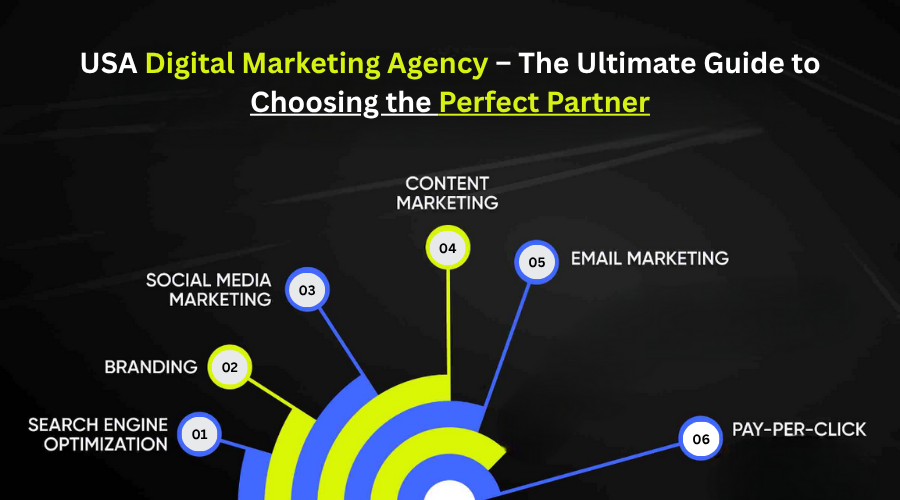
USA Digital Marketing Agency – The Ultimate Guide to Choosing the Perfect Partner
In this highly interconnected world we live in, having a potent online presence is not a choice – it’s a necessity. Whether new or established, startup or large company, aligning with the best digital marketing agency USA can be that springboard that gives your company’s future direction that much-needed boost. As the internet is now accessed by over 90% of consumers to research products and services before buying, companies that don’t invest in effective digital marketing risk falling into obscurity within a rapidly expanding marketplace. The digital world has shifted dramatically. Traditional advertising models don’t provide the return on investment that they previously did, and consumers want companies to join them where they increasingly live: online. From search results and social media platforms to email inboxes and mobile phone apps, a successful digital marketing campaign ensures that your company reaches the appropriate individuals at the appropriate moment. That’s why this guide takes a full overview of all that you would like to understand about working with a digital marketing company in the USA, from understanding key services to selecting the perfect partner to manage your unique business needs. What is a Digital Marketing Agency USA? An SEO company USA is a specialized firm that assists enterprises in building, operating, and optimizing their online presence across an array of digital channels. The companies have staffs of specialists with diverse knowledge bases ranging from search engine optimization (SEO) to pay-per-click advertising (PPC), to content marketing, to social media management, to email programs, and to analytics to design comprehensive strategies that yield measurable outcomes. Whereas older-format marketing agencies were highly specialized in print, television, or radio, digital marketing agencies access the power of the internet and digital technology to target audiences with laser-like precision. They utilize data-driven strategies to find out about consumer behaviors, track the success of campaigns in real-time, and make frequent tweaks to achieve maximum impact. The extent of services ranges between agencies, but nearly all provide turnkey solutions that range from starting-point brand planning and site design to continuing campaign execution and measurement reporting. For companies based in the United States – where digital penetration levels run among the highest worldwide, working with a local agency creates some unique benefit points, including local knowledge of the marketplace, time-zone convenience, and cultural familiarity. Why Business Needs Online Brand Advertising USA The American marketplace is among the most developed and competitive globally. By virtue of having hundreds of millions of internet consumers and a digital economy that’s measured in the trillions, building visibility through SEO USA or online brand advertising USA isn’t valuable – it’s mission-imperative. Take a look at these stunning figures: the average American spends more than seven hours each day with digital media. The search engines handle billions of questions each day, and social sites now represent the largest discovery channels of new products and services. If your brand is not actively promoting itself across these digital channels, you’re effectively giving competitors who represent your share of the market. Websites promoting their brand online refer to all the efforts that make your brand seen, trusted, and interactive across digital mediums. That includes optimizing your site to improve your visibility on search results pages, crafting quality content that will appeal to your target public, having social media profiles that are not dormant, launching specific advert-targeting initiatives, and establishing an email list of subscribers that will convert. Its advantages go far beyond being noticed. Successful internet brand advertising establishes trust, establishes thought leadership, gains loyalty with buyers, and creates numerous impressions that drive prospects through the buyer’s journey. In a world in which consumers heavily research product and service choices on the internet prior to buying, companies that invest in strategic internet advertising make themselves the clear choice come buying day. Major Services of Digital Marketing Agencies SEO & Local Digital Marketing Services USA Search engine optimization remains the foundation of any successful digital strategy. USA local digital marketing services excel specifically at getting companies to appear within location-based searches, which is integral to companies that only provide service to specific geographic areas. When a consumer enters “best plumber near me” or “downtown Seattle restaurants,” local SEO will get your company to appear first. National SEO efforts have a broader scope, optimizing your site to compete for productive keywords nationwide. This includes thorough keyword research, technical site optimization, quality content generation, link building, and frequent tracking of search engine algorithm shifts. The target is securing premier positions on Google and other search engines for terms that your target customers actively search. PPC and Pay Per Click Advertising Pay-per-click advertising enables immediate exposure and traffic. Advertisers can show selective ads to specific demographics, interests, and behaviors with Google Ads, Microsoft Advertising, and social media advertising platforms. Unlike SEO that establishes authority over the long haul, PPC produces immediate results− perfect to open new products, seasonal offers, or companies that must have leads sooner. Professional agencies handle all the aspects of PPC advertising, ranging from keyword research and ad copywriting to bid management and landing page improvement. They constantly test different strategies, analyze metrics of performance, and make necessary improvements to attain best return on advertising expense (ROAS). Social Media Marketing Social media platforms like Facebook, Instagram, LinkedIn, Twitter, and TikTok have become crucial media to create and interact with customers. Social media marketing involves crafting and delivering content that resonates with your target, creating communities that converge around your brand, and using organic and paid strategies to increase reach. These agencies craft overall social strategies that fit into your brand voice and business goals. They provide content generation, community management, influencer relationships, and social advertising strategies that drive awareness, trigger engagements, and conversions. Content Marketing & Blogging Content marketing strategically responds and relieves those questions and pain points that face your target audience across their buying journey. By responding and resolving, you position your brand as a valuable resource and not another business that
SEO vs AEO: The Complete Guide for Businesses in the USA
The digital landscape is undergoing its most significant transformation since the birth of Google. AI-powered search engines like Chat GPT, Google Gemini, and Perplexity are fundamentally reshaping how people find information online. For businesses that have learned about SEO and AEO for years, this change raises an important question. Is traditional search engine optimization still sufficient? Or do you need to adapt to answer engine optimization? The truth is, both matter – but they require different approaches. Understanding the difference between SEO and AEO is important for digital marketing. It helps your business stay visible and competitive. In today’s world, AI plays a big role in how brands connect with consumers. In this guide, we will look at what makes these two optimization strategies different. We will discuss why AI search optimization is now essential. We will explain how to create a plan. This plan will help protect your online presence. It will cover both traditional search engines and generative AI platforms. What Is SEO and AEO? Understanding Search Engine Optimization (SEO) Search Engine Optimization has been the cornerstone of digital marketing for over two decades. SEO is the practice of improving your website and content. The goal is to rank higher in search engine results pages (SERPs). Google is the main search engine, holding over 90% of the global market. Traditional SEO focuses on: Keyword research and strategic placement Building high-quality backlinks from authoritative sources Technical website optimization (site speed, mobile responsiveness, crawlability) Creating comprehensive, valuable content that matches user search intent On-page elements like meta descriptions, title tags, and header structures The main goal of SEO for Google is to rank high in search results. This happens when users type relevant queries. A higher rank drives organic traffic to your website, where conversions can occur. Introducing Answer Engine Optimization (AEO) Answer Engine Optimization represents the next evolution in digital visibility. SEO helps your website rank in search results. AEO strategy focuses on making your content the direct answer. This is what AI systems use when responding to user questions. AEO prioritizes: “Giving clear and direct answers to specific questions.” Structuring content in ways that AI models can easily parse and understand Implementing schema markup and structured data Creating content that sounds like a natural conversation is important. Building topical authority across related subject areas Optimizing for zero-click searches and featured snippets Think of it this way: SEO helps you appear in the list of restaurants when someone searches “Italian restaurants near me.” AEO ensures you’re the restaurant that AI directly recommends when someone asks, “Where should I eat Italian food tonight?” The difference between SEO and AEO ultimately comes down to destination versus answer. SEO drives users to your website; AEO positions your brand as the trusted source within AI-generated responses. The Evolution of Search: From SEO to AEO The Rise of AI-Powered Search Engines The search landscape has evolved dramatically over the past 18 months. While Google continues refining its algorithms, an entirely new category of search experience has emerged through generative AI platforms. Major players in AI search include: Chat GPT with Search – “Bringing together conversational AI and real-time web access.” Google Gemini – Google’s own AI assistant with deep search integration Perplexity AI – A dedicated AI answer engine with cited sources Microsoft Copilot – Bing-powered AI search integrated across Microsoft products Claude – “Smart AI helper that can do detailed research and analysis.” These platforms don’t just return a list of blue links. They gather information from different sources. They give direct answers and have conversations that improve results based on user feedback. This fundamentally changes how users interact with information online. How User Behavior and Search Intent Have Changed Optimizing for generative AI matters because user expectations have shifted. Today’s searchers increasingly expect: Immediately, You can get conversational answers instead of searching through many websites. This involves combining and comparing information from different sources. Context-aware responses that remember previous questions in a conversation Visual and multimedia results integrated seamlessly with text Personalized recommendations based on their specific situation Research shows that almost 40% of Gen Z users begin their product research on social media or AI platforms. They prefer these over traditional search engines. Voice search using Alexa, Siri, and Google Assistant is growing. These assistants now use large language models that focus on AEO-optimized content. The evolution is not about search engines disappearing. It is about search becoming smarter, more conversational, and spread across different platforms. Businesses that see this change and adjust their AI content strategies will stay visible. Those that don’t may become invisible to parts of their target audience. Key Differences Between SEO and AEO AEO and traditional SEO are not an either-or choice. Knowing their differences helps you optimize well for both. Content Format and Structure SEO Content: Longer-form articles (1,500+ words) often perform better Keyword density and placement matter significantly Content structured around multiple related keywords Emphasis on comprehensive coverage of topics AEO Content: Concise, direct answers to specific questions work best Natural language and conversational tone take priority Clear, scannable formatting with bullet points and lists FAQ sections and Q&A formats align perfectly with how AI retrieves information Ranking Factors and Algorithms SEO Ranking Signals: Backlink profile and domain authority Page loading speed and Core Web Vitals Mobile optimization and responsive design Keyword relevance and semantic relationships User engagement metrics (bounce rate, time on page) AEO Ranking Considerations: Clarity and directness of answers Topical authority demonstrated across multiple pieces Structured data implementation (schema markup) Source credibility and EEAT signals Content freshness and accuracy Ease of information extraction for AI models User Journey and Conversion Path The difference between SEO and AEO also extends to how users find and interact with your brand: SEO User Journey: User enters query in search engine User reviews SERP listings User clicks through to your website User navigates your site to find information or convert AEO User Journey: User asks a question to the AI assistant AI provides a